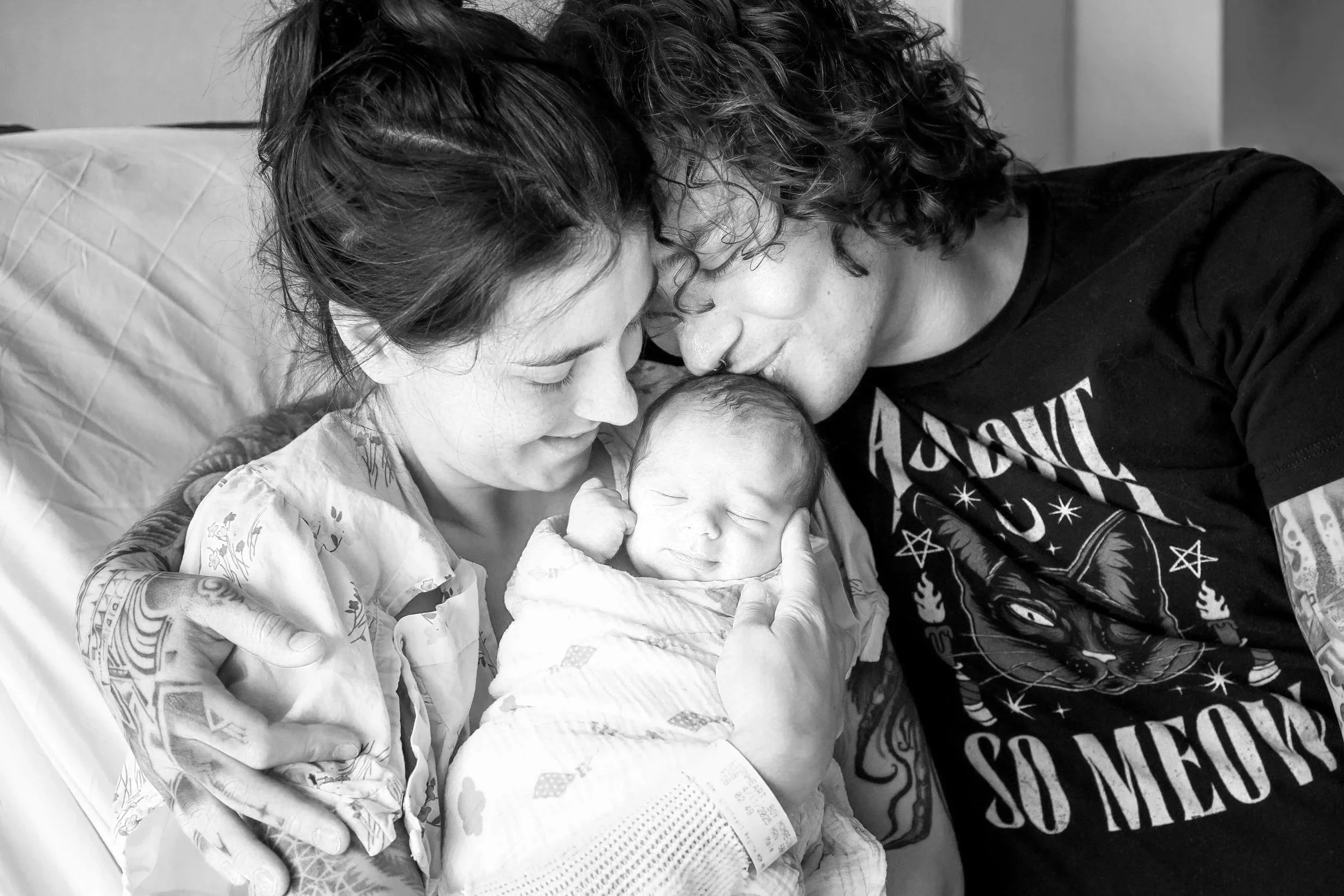
Sasha Needs a Kidney.
You Can Help.
☼ SEATTLE, WA
● URGENT: LIVING KIDNEY NEEDED
A Kidney
for Sasha
● ABOUT SASHA
A Father Fighting For More Time
A few years ago, Sasha was focused on the same things many young families are focused on: building a life with his wife, raising their children, and planning for the future.
But for nearly a decade, routine physicals kept returning concerning results. As an otherwise healthy person in his twenties, it was difficult to understand what was happening. Doctors searched for answers while Sasha continued to navigate years of testing, uncertainty, and conflicting diagnoses.
Eventually, it became clear that his kidneys were no longer functioning as they should.
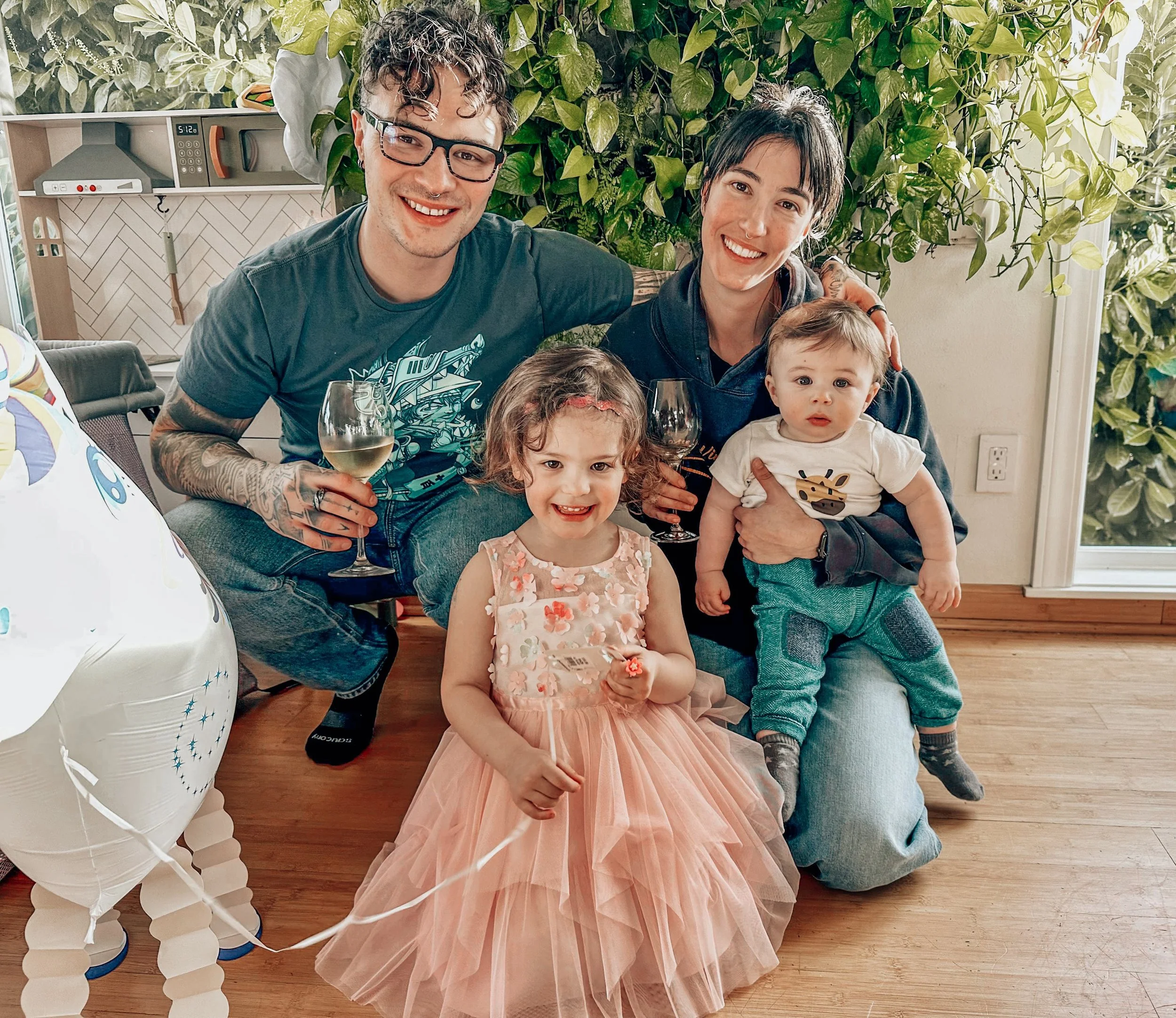
Today, Sasha and his wife are raising two young children, Nadia and Benjamin, while preparing for the possibility of a kidney transplant—a reality they never expected to face.
Find out if you’re a match: Learn more
● WHAT WE'RE ASKING
As adults, we're used to handling things ourselves.
We ask friends to help us move a couch. We borrow a ladder from a neighbor. But most of us never imagine having to ask someone for a kidney.
After years of monitoring his condition, Sasha's kidney function continues to decline. A living donor transplant now offers the best opportunity for a healthy future.
Fortunately, Sasha is an excellent candidate for transplant. He is young, otherwise healthy, and has no major complications that would impact the success of the procedure. Doctors believe that one successful transplant could provide decades of improved health and potentially be the only transplant he ever needs.
That's why we're sharing Sasha's story.
Not because asking is easy, but because the right person may be reading this today.
As Sasha's wife of 13 years, and on behalf of our two young children, Nadia and Benjamin, thank you for taking the time to read our story and consider this extraordinary gift of life.
About Us
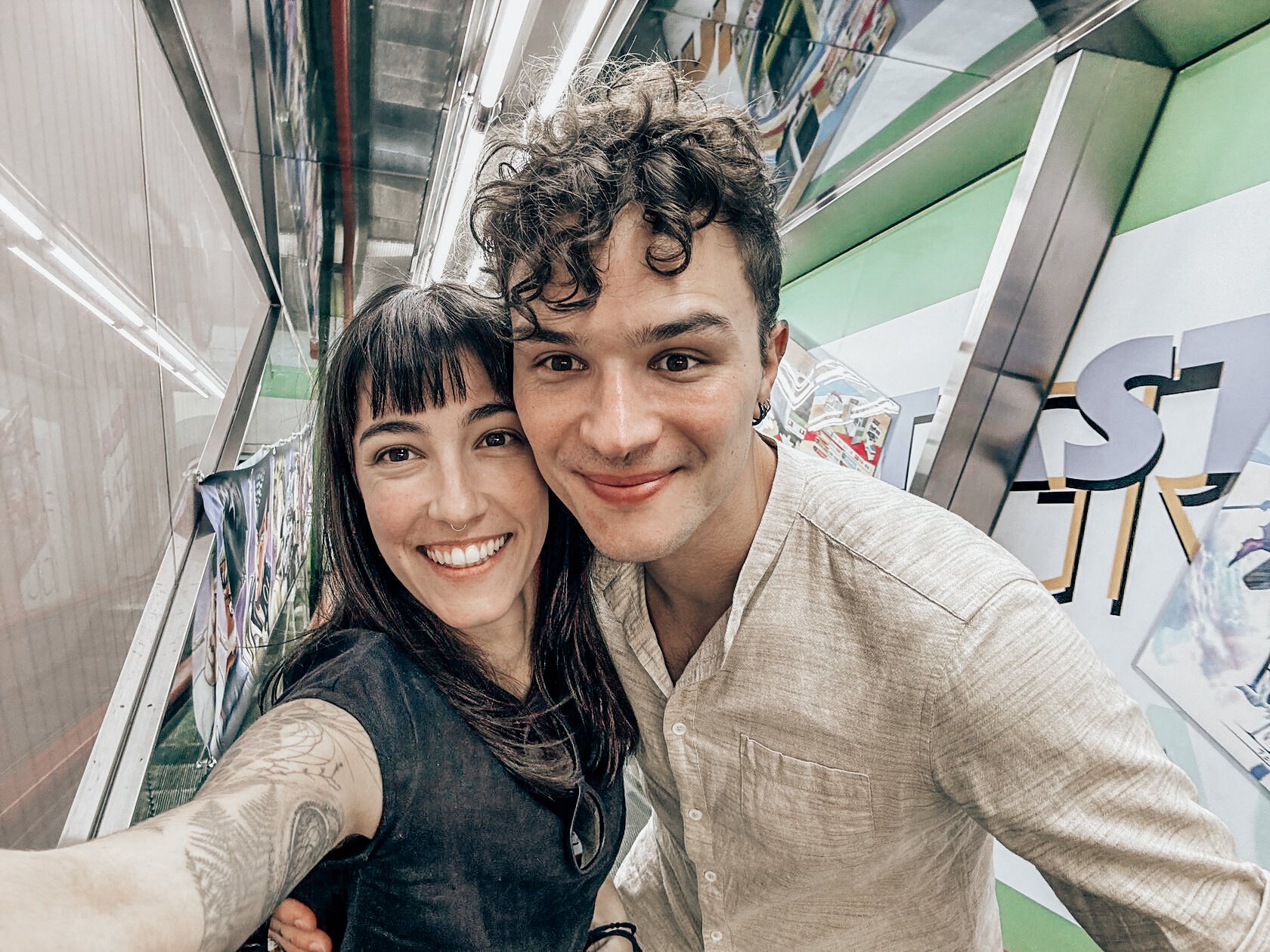
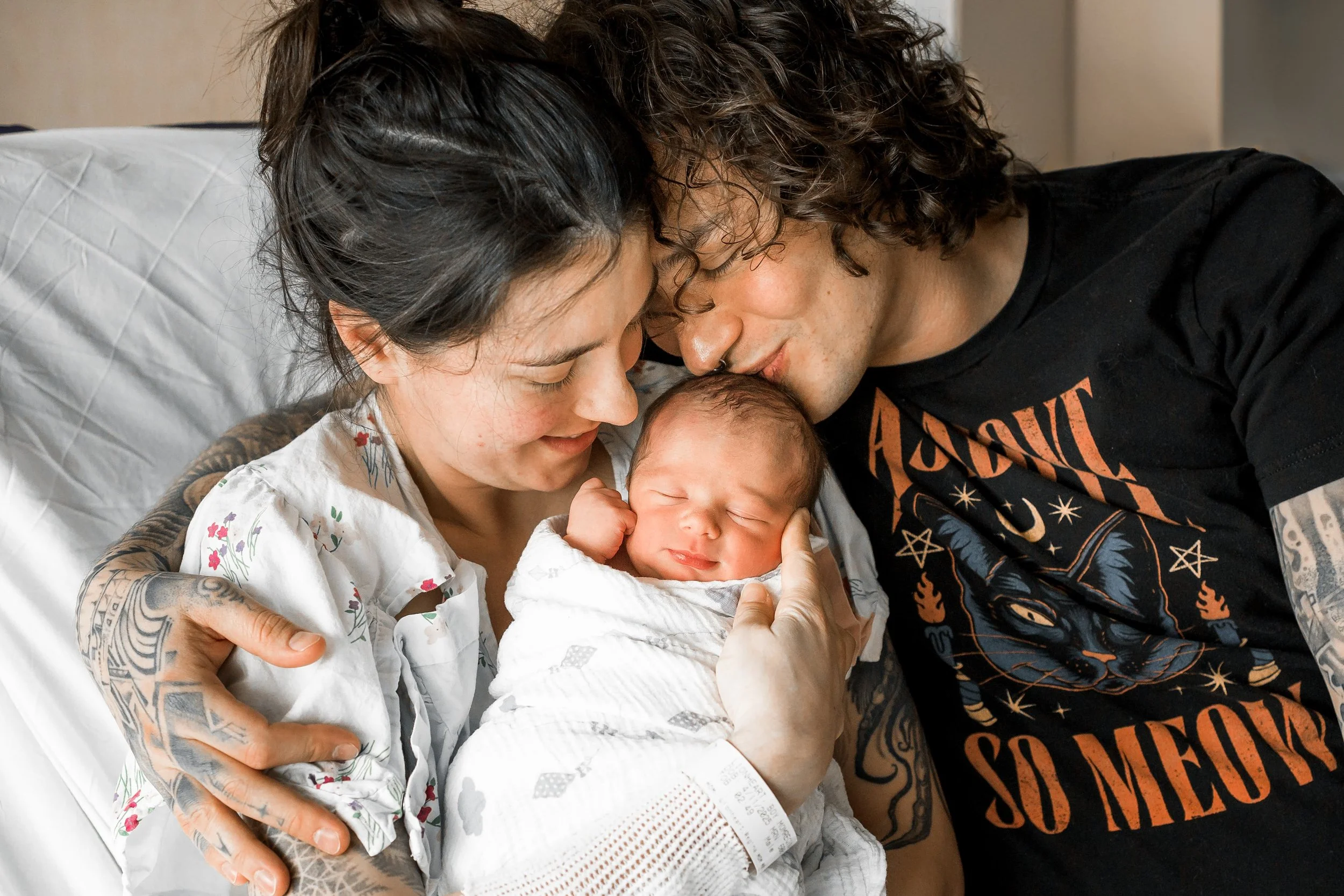
Sasha and I met in 2012. After a few years of long distance we realized there was no point in delaying the inevitable, so I moved to the West Coast and we got married in 2016. We welcomed our daughter Nadia in February of 2022, and our son Benjamin in April of 2025.
Through this time, Sasha has undergone years of treatment and lifestyle changes to identify, and eventually, slow the process of his kidney disease. Unfortunately, we are now at the point where a living kidney donation is Sasha's best shot at a long and healthy life.

Understanding A Kidney Donation
Modern kidney donation is safer and more successful than ever before, with transplant success rates around 95%.
Many people are surprised to learn that donors do not need to be related to Sasha, have the same blood type, or even live in the same state to begin the screening process.
Donor safety is always the top priority. The evaluation process is intentionally thorough to ensure that donating a kidney will not negatively impact the donor's long-term health. Most donors go on to live normal, healthy lives with one kidney and never require dialysis or lifestyle changes.
All donation-related medical expenses, testing, and travel costs are covered.
If you're curious about becoming a donor, the first step is simply reaching out to the University of Washington Living Donor Team to learn more.
✓ Donors can live healthy lives with one kidney
✓ You may remain anonymous throughout the process
✓ Comprehensive screening ensures donor safety
✓ Ask questions without any obligation
✓ Connect with Sasha's family or UWMC
✓ We'll help point you in the right direction
Ways You Can Help
Make an Impact Today
FOLLOW US ON SOCIAL
Can't Donate? Share This Page.
Sharing is one of the most powerful things you can do. The right donor might be just one share away.
Frequently Asked Questions
-
The University of Washington has a robust program for evaluating potential donors. Once you reach out to the team, they will provide an intake form and help you understand the next steps for determining if you can move forward with the donation.
https://uw.donorscreen.org/register/donate-kidney
If you are not located in Washington, you can still take the initial screening online. If all looks good there, you can complete the testing at a local hospital. No need to travel to Washington! -
Yes! You can remain anonymous through the entire process, and you can decide to stop at any time.
-
Modern kidney surgery is laparoscopic and robotic. This is a non-invasive surgery that minimizes the number of incisions required. While considered a generally safe process, kidney donation carries all the normal risks of surgery such as infection, bleeding, and complications from anesthesia. Your doctor will thoroughly discuss these risks during the evaluation process. Most donors can lead normal lives with a single kidney.
-
Most donors can return to low-risk activities 1 - 2 weeks after surgery, and are considered fully recovered in 4 - 6 weeks. The non-invasive surgery means that recovery time is generally shorter than for other types of surgery, and risk of infection or complication is low.
-
As a donor, there is no cost to you. All of your travel and medical expenses will be covered, as well as any auxiliary support costs such as housing during the evaluation, surgery, and recovery periods.
-
The University of Washington is the best local resource for learning more (www.uwmedicine.org/donor). To talk to the Living Donor Team at the University of Washington, call 206.598.3627.
Additionally, the National Kidney Foundation (NKF) and the United Network for Organ Sharing (UNOS) offer valuable resources and support for both donors and recipients.
● Contact
Get in Touch



We're happy to help answer your questions and offer support. You may also choose to remain fully anonymous.